
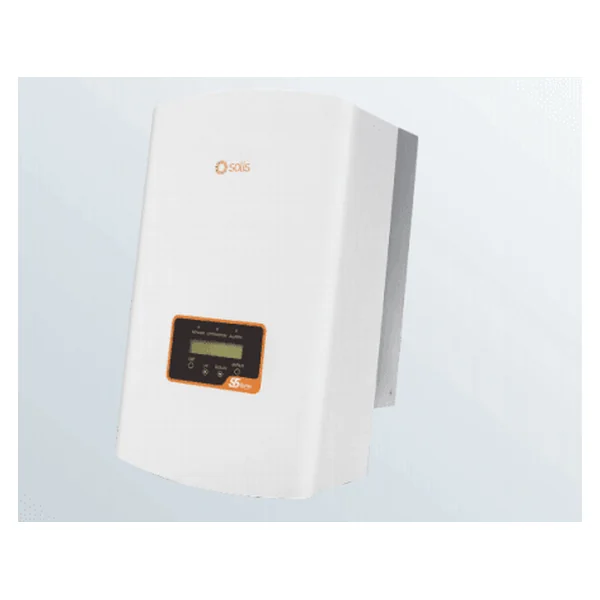
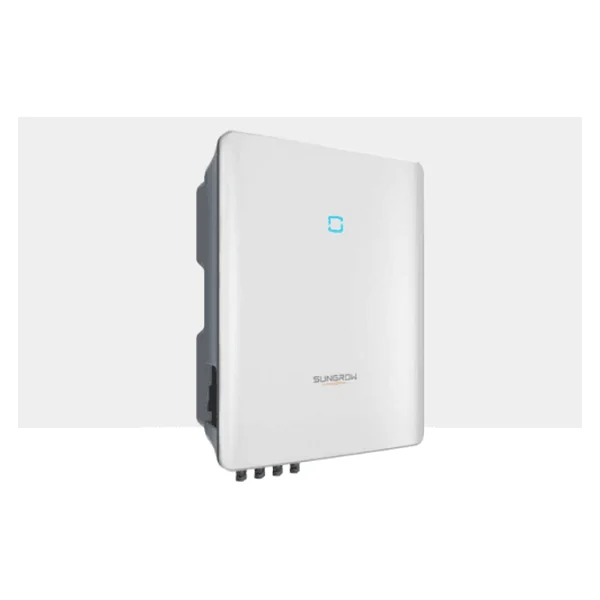
Solis S5 Grip 3–6K
- Maximum efficiency 97.7%
- Max input current 14A
- Single phase
- DRM integrated, AS/NZS 4777.2:2020 compliant
- 24-hour consumption monitoring
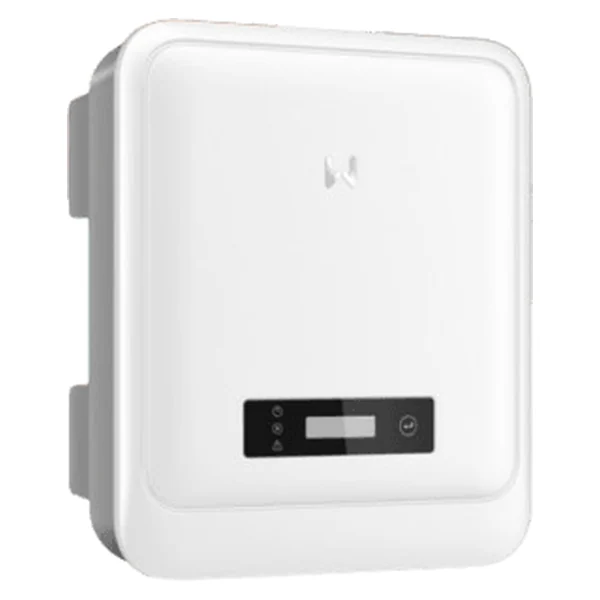
Which one suits you depends on system size, whether your supply is single or three phase, and whether a battery is coming.
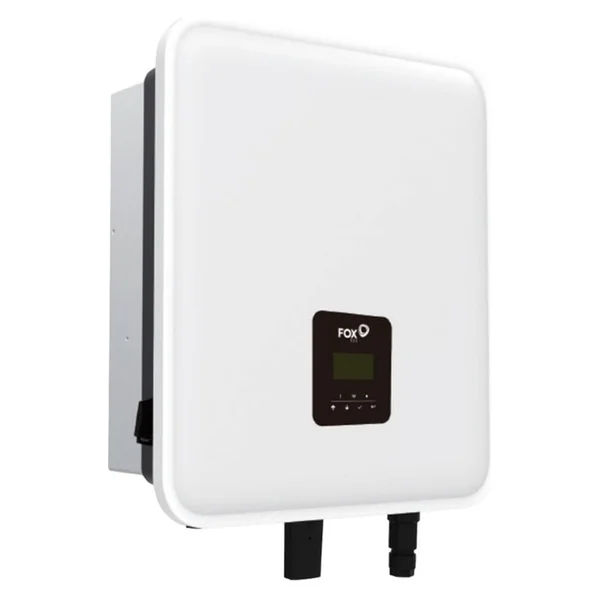
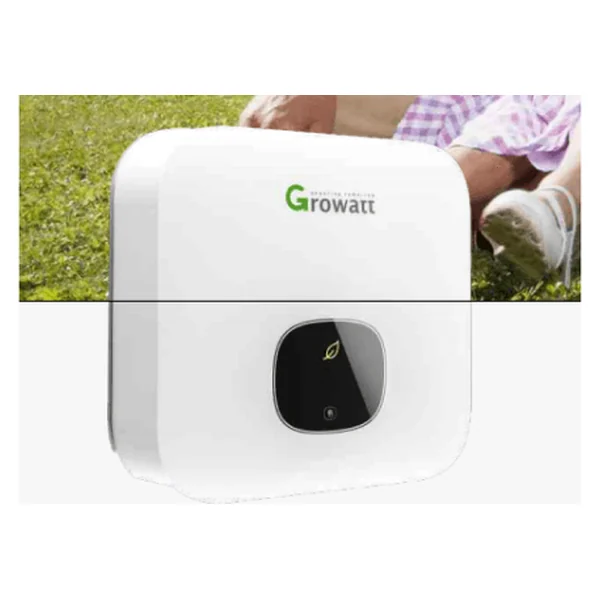
A deliberately short list of tier-one manufacturers with local support and warranties that actually get honoured.











Straight answers, including the ones that don't help us sell.
Your panels produce direct current; your house runs on alternating current. The inverter converts between the two, and along the way it tracks how much each string is producing, obeys the export limit your network sets, and, if it is a hybrid, decides whether to send power to your battery or to the grid.
A string inverter is one central unit and is the right answer for most simple roofs. Microinverters sit under each panel and cost more, but they earn their keep on complex roofs or where shade hits part of the array, one shaded panel no longer drags down the whole string. We will tell you which your roof needs rather than defaulting to the dearer option.
Usually yes. A hybrid costs a little more up front but means adding storage later is a simple job. Retrofitting a battery to a non-hybrid system often means buying a second inverter, which costs far more than the original difference.
Typically [X] years under warranty, and it is normally the first component to need replacing, panels usually outlive it. That is worth knowing when comparing quotes: a cheap inverter is the most common false economy in solar.
Tell us about your property and we'll come back with a recommendation and a price within one business day.
Tell us about your property, we’ll get back within 1 business day.